
Table of Contents
No matter how good you are at analyzing charts or how powerful your strategy may be, if you do not know how to control emotions while trading forex, profitability will remain far from you.
At first, trading might look simple.
You learn a strategy, identify setups, place trades, and expect profits to start flowing immediately.
But once real money enters the picture, everything changes.
Suddenly:
fear appears,
greed appears,
panic enters,
and overthinking becomes your new roommate.
That is why many traders struggle emotionally even when they already understand technical analysis.
I remember during my early trading journey, there were times I could not sleep properly because of trades.
If I entered a position and price started moving slightly against me, my heart would start racing like I was writing JAMB again.
Sometimes I closed trades too early out of fear.
Other times I held losing trades too long because I “believed” the market would reverse.
And honestly, this emotional cycle is something almost every trader experiences at some point.
The market has a way of testing not just your strategy, but also your emotional control.
In this guide, you will learn how to control emotions while trading forex and how disciplined traders manage fear, greed, impatience, and emotional pressure.
Why Emotions Affect Forex Traders So Much
Forex trading involves uncertainty.
No setup is guaranteed.
And human beings naturally react emotionally when money is involved.
This is why traders often experience:
- fear after losses
- greed during winning streaks
- frustration after missed trades
- excitement during fast market movement
- panic during drawdowns
The problem is not having emotions.
The real problem is allowing emotions to control decisions.
Because once emotions take over, discipline usually disappears quickly.
There are two major ways to conquer emotions while trading forex.
First, you need to identify the triggers causing those emotions.
Secondly, once you become aware of those triggers, half of the problem is already solved. You simply need rules and discipline to control them properly.
Fear Is One of the Biggest Trading Problems
Fear affects many traders heavily.
Some traders become scared after experiencing losses.
Then suddenly:
- they hesitate to enter good setups
- they close trades too early
- they avoid following their strategy properly
I went through this phase too.
After a few painful losses, every setup started looking dangerous.
Even when the analysis looked clean, fear still whispered:
“What if this one fails too?”
That hesitation creates inconsistency.
A trader who constantly fears losses will struggle to execute confidently.
Greed Destroys Discipline Quickly
Greed is another dangerous emotion in forex trading.
This usually happens after profits start coming in.
At first, traders follow their rules properly.
Then confidence starts increasing aggressively.
Suddenly:
- lot size becomes bigger
- risk management disappears
- unnecessary trades begin
- overconfidence enters the chat
I remember periods where one winning streak made me feel unstoppable. I was already imagining the luxury lifestyle I would acquire.
Then I started risking more because I wanted faster profits.
The market usually responds to greed with immediate character development.
Greed makes traders forget that consistency matters more than temporary excitement.
Revenge Trading Is Emotionally Dangerous
This is one emotional habit that destroys many accounts.
A trader loses money and immediately feels the need to recover everything quickly.
Then emotional decisions begin:
- random entries
- oversized lot sizes
- forcing setups
- abandoning the trading plan
At that point, trading stops becoming logical.
It becomes emotional gambling.
One thing traders must understand is this:
Not every loss needs immediate revenge.
Sometimes the smartest decision after a bad trade is simply stepping away from the charts.
How to Control Emotions While Trading Forex
Learning how to control emotions while trading forex starts with self-awareness.
You must first recognize when emotions are influencing your decisions.
For example:
- Are you entering because the setup is valid?
- Or because you are frustrated from previous losses?
- Are you following your plan?
- Or are you simply chasing excitement?
Once traders become emotionally aware, controlling behavior becomes easier.
Risk Management Reduces Emotional Pressure
One major thing that helps traders stay emotionally stable is proper risk management.
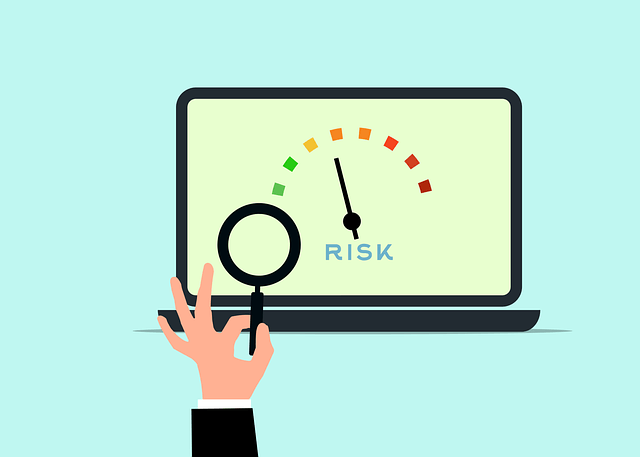
Many emotional reactions happen because traders risk too much money.
When risk becomes too high, fear increases immediately.
I noticed this personally too.
Whenever I over-risked trades, I became emotionally attached to every candle movement.
Why?
Because too much money was involved emotionally.
A trader risking responsibly usually stays calmer and thinks more clearly.
This is why understanding Understanding Risk Management in Forex is extremely important for emotional stability.
Stop Watching Every Candle
Many beginners stress themselves unnecessarily by staring at charts continuously after entering trades.
Every small movement suddenly looks important.
One bearish candle appears and panic begins immediately.
Sometimes traders even start creating imaginary analysis halfway through the trade.
The market naturally moves up and down.
Watching every candle emotionally usually increases anxiety.
Sometimes the best thing after entering a trade is stepping away and allowing the setup enough breathing space.
Follow a Trading Plan
A proper trading plan reduces emotional decision-making massively.
Before entering any trade, traders should already know:
- entry point
- stop loss
- take profit
- risk percentage
Once these are defined clearly, there is less room for emotional reactions afterward.
Without structure, emotions easily control trading behavior.
If you have not read it yet, 7 Powerful Forex Trading Plan Steps Every Beginner Must Follow explains how traders build proper structure into their decision-making.
Accept That Losses Are Normal
One major emotional mistake traders make is expecting perfection.
But losses are part of trading.
Even strong setups fail sometimes.
Professional traders understand this deeply.
They do not panic because of one loss.
Instead, they focus on:
- long-term probability
- controlled risk
- disciplined execution
This mindset helps reduce emotional pressure heavily.
Stop Comparing Yourself to Social Media Traders
This is another emotional trap many beginners fall into.
Social media constantly shows:
- account flips
- luxury lifestyles
- massive profits
- “100% winning strategy” claims
What many traders do not show is:
- losses
- emotional struggles
- blown accounts
- years of learning
Comparing your journey to unrealistic online expectations creates unnecessary emotional frustration.
Real trading growth usually takes time.
Patience Improves Emotional Control
Patience is one of the biggest skills profitable traders develop.
Not every market condition deserves a trade.
Sometimes the best setups take time to form.
Many emotional mistakes happen because traders feel pressured to always be active.
I used to think:
“If I am not trading, then I am wasting time.”
Now I understand:
waiting is part of trading too.
Sometimes patience pays more than forcing unnecessary trades.
Keep Your Trading Simple
Overcomplicated trading often increases emotional confusion.
Too many indicators.
Too many confirmations.
Too many conflicting signals.
Eventually, the brain starts overheating.
Simple systems are usually easier to follow consistently.
And consistency helps emotional stability.
This is why many experienced traders eventually simplify their charts heavily.
Trading Psychology Improves Over Time
One important thing traders should understand is this:
Emotional control improves gradually with experience.
Most traders are emotional at the beginning.
The market humbles almost everybody eventually.
Over time, disciplined traders become calmer because they:
- trust their process more
- manage risk properly
- stop expecting perfection
- focus on consistency instead of excitement
That psychological growth is part of becoming a better trader.
Quick Assessment
If a trader risks too much money on one trade, will emotional pressure likely increase?
Yes.
Should traders revenge trade immediately after losses?
No.
Key Takeaway
Learning how to control emotions while trading forex is one of the biggest parts of becoming a disciplined trader.
Fear, greed, impatience, and frustration affect almost every trader at some point.
The goal is not becoming emotionless.
The goal is learning how to avoid making emotional decisions.
Because in trading, emotional control often matters just as much as technical analysis.
If you want to learn more about trading psychology and emotional discipline, you can also read this guide from Trading Psychology Guide by Investopedia

Leave a Reply