
Table of Contents
Introduction
One thing nobody really tells beginners when starting forex trading is this:
Trading is not hard because the market is impossible.
Trading is hard because of human behavior.
Have you ever been curious to know why beginner forex traders fail?
Most beginners enter forex thinking the biggest challenge is learning strategy. But after some time, they realize the real battle is discipline, patience, emotions, and consistency.
I remember when I first started trading, I thought profitable traders had some secret indicator hidden somewhere. I kept searching for the “perfect strategy” that never loses.
Beginner’s luck is very possible if you are just getting started on your trading journey, so don’t feel too overwhelmed.
Imagine someone who started trading just 7 days ago making crazy profits. Don’t be surprised if those profits vanish the same way they came.
The reason is simple:
your emotions have not been tested yet.
No trauma.
No fear.
No emotional pressure.
Let me quickly share my experience during my early stage as a trader.
I started with synthetic indices. I took a $50 account to over $1200 in a single day.
In my head, I was already calculating the mansion I would build and the luxury cars I would buy within a year.
But over time, reality humbled me.
In less than an hour, I lost everything.
That was when emotions started taking over my trading.
I started noticing that many traders were losing money not because they lacked information, but because they kept repeating the same mistakes over and over again.
And honestly, most beginner mistakes are very avoidable.
In this guide, you will learn why beginner forex traders fail and how you can avoid falling into the same cycle.
Unrealistic Expectations
This is one of the biggest reasons beginners fail.

Social media has made trading look like a shortcut to instant wealth.
You see screenshots everywhere:
small accounts flipping massively,
luxury lifestyles,
and crazy profits overnight.
What most people do not show you is:
the losses,
the emotional stress,
the years of learning,
and the blown accounts behind the scenes.
Many beginners enter forex expecting fast money.
So when reality finally shows up, frustration begins.
Trading is a skill.
And like every skill, it takes time to develop.
Lack of Risk Management
This one destroys accounts faster than bad strategies.
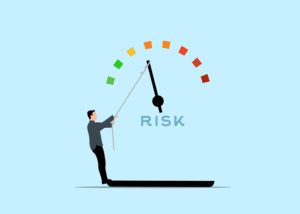
Many beginners risk too much on single trades because they want quick profits.
Instead of protecting capital, they focus only on making money.
I remember a period where I thought increasing lot size was the fastest way to recover losses. I kept adding to losing positions hoping the market would reverse.
I was already 3 years into trading before I truly started taking risk-to-reward tools seriously.
The market quickly taught me an expensive lesson.
Without proper risk management, a few bad trades can destroy weeks or even months of progress.
This is why professional traders focus heavily on protecting their accounts first.
Because once your capital is gone, the game is over.
If you still struggle with protecting your account properly, you should read our guide on Understanding Risk Management in Forex.
Strategy Hopping
Another major problem beginners face is constantly changing strategies.
Today it is breakout trading.
Tomorrow it is smart money concepts.
Next week it becomes supply and demand.
The cycle keeps repeating.
The truth is:
many strategies can work.
The real issue is that most beginners never stay with one strategy long enough to truly understand it.
Every strategy experiences losses.
That does not automatically mean the strategy is bad.
Consistency becomes impossible when you keep restarting every single week.
Emotional Trading
This is where trading becomes dangerous.
Fear and greed control many beginner decisions.
After a few losses, some traders become scared to enter good setups.
After a few wins, others become overconfident and start over-risking.
Then revenge trading enters the chat… haha
One loss suddenly turns into:
“I must recover my money immediately.”
And that emotional decision usually creates even bigger losses.
Emotional trading is one of the fastest ways to destroy discipline.
This is exactly why understanding Trading Psychology in Forex is very important for long-term consistency.
Overtrading
Many beginners believe they must trade every single day.
But the truth is:
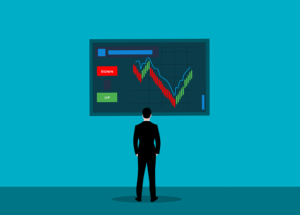
the market does not always provide quality opportunities.
Sometimes the best trade is no trade.
I used to force trades simply because I wanted to feel active in the market.
Even when setups were unclear, I still wanted to catch something.
Most times, the market collected tuition fees from me immediately.
Professional traders understand patience.
Beginners often confuse activity with productivity.
You can also learn more about market timing in our guide on Best Time to Trade Forex.
Ignoring Trading Psychology
A lot of traders focus only on strategy and completely ignore mindset.
But psychology affects everything:
discipline,
risk management,
patience,
and execution.
Two traders can use the exact same strategy and still get different results because of emotional control.
This is why trading psychology matters so much.
Sometimes the problem is not the strategy.
Sometimes the trader is simply too emotional to follow it properly.
Lack of a Trading Plan
Many beginners trade without structure.
No defined setup.
No risk rules.
No clear entry conditions.
Just vibes and screenshots from Telegram groups.
A trading plan helps remove emotional decisions.
Without a plan, consistency becomes difficult because every trade becomes random.
And random trading usually produces random results.
Keep your trading plan and strategy as simple as possible. Do not overcomplicate it.
Simplicity often gives the best results.
If you do not already have a structured setup, you should read How to Create a Forex Trading Plan.
Copying Other Traders Blindly
Learning from experienced traders is good.
But blindly copying trades without understanding the logic behind them is risky.
What works for one trader may not fit another person’s:
schedule,
personality,
risk tolerance,
or trading style.
This is why you should focus on understanding the market instead of depending completely on signals.
Why Some Traders Eventually Become Profitable
Now here is the interesting part.
Many profitable traders today also made these same mistakes at some point.
The difference is:
they learned from them.
They became more disciplined.
More patient.
More structured.
Over time, they stopped chasing shortcuts and started focusing on consistency.
That is usually the turning point.
Quick Assessment
If a trader risks 30% of their account on one trade, is that good risk management?
No.
If a trader changes strategy after every losing trade, will consistency become difficult?
Yes.
Key Takeaway
Most beginner forex traders fail for reasons that are actually avoidable.
Not because forex is impossible.
But because they:
lack discipline,
ignore risk management,
overtrade,
become emotional,
and chase shortcuts.
The goal is not to become rich overnight.
The goal is to survive long enough to improve consistently.
Because in trading, survival comes before profitability.
If you want to understand more about trader mindset and discipline, you can also read this detailed guide from FTMO trading psychology guide

Leave a Reply